Clomiphene: The Ultimate Guide to Its Uses, Benefits, and Side Effects
What Is Clomiphene?
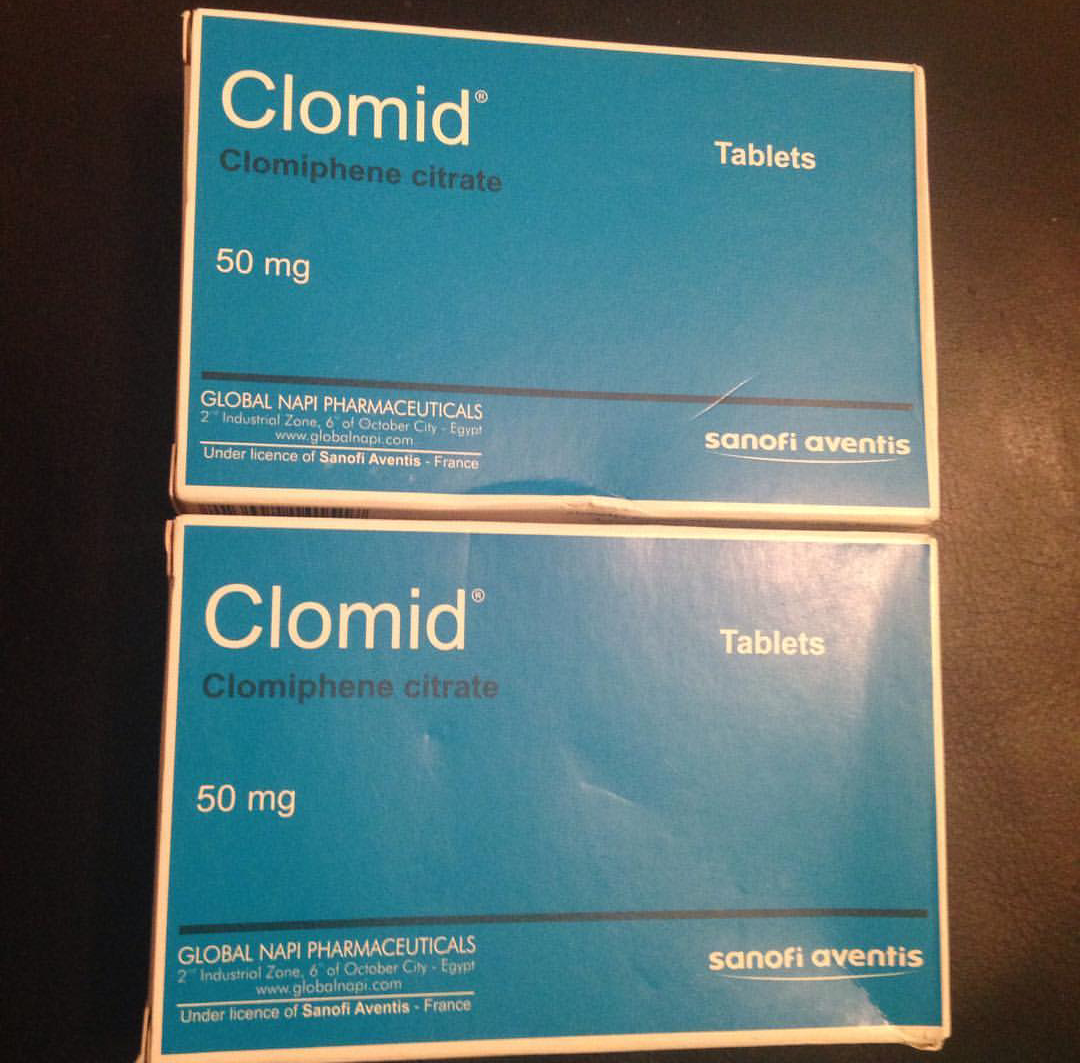
Clomiphene, also known by its brand name Clomid, is a popular medication used primarily to treat infertility in women. It is a selective estrogen receptor modulator (SERM) that stimulates ovulation by increasing the release of hormones necessary for ovulation to occur. Clomiphene is widely prescribed by fertility specialists to help women conceive naturally.
How Does Clomiphene Work?
Clomiphene works by blocking estrogen receptors in the brain, specifically in the hypothalamus. This trickery causes the hypothalamus to think estrogen levels are low, prompting it to release more gonadotropin-releasing hormone (GnRH).
Increased GnRH stimulates the pituitary gland to produce more luteinizing hormone (LH) and follicle-stimulating hormone (FSH), which in turn promote ovulation. This mechanism makes Clomiphene highly effective for women with irregular or absent ovulation.
Uses and Benefits of Clomiphene
Primary Uses
- Treating Infertility: Clomiphene is primarily used to induce ovulation in women with polycystic ovary syndrome (PCOS) or other ovulatory disorders.
- Male Fertility: In some cases, Clomiphene is prescribed to men to increase testosterone levels and improve sperm production.
Benefits
- Increases Chances of Conception: By inducing ovulation, Clomiphene enhances the likelihood of pregnancy.
- Non-Invasive Treatment: It offers a less invasive alternative to assisted reproductive technologies like IVF.
- Affordable: Compared to other fertility treatments, Clomiphene is cost-effective and accessible.
Clomiphene Side Effects
While generally safe, Clomiphene may cause side effects in some users. Common side effects include hot flashes, mood swings, headaches, and ovarian enlargement. Rarely, it can lead to multiple pregnancies (twins or triplets) due to multiple ovulations. It’s essential to consult a healthcare provider before starting Clomiphene to monitor for adverse effects.
Precautions and Considerations
- Not Suitable for Everyone: Women with ovarian cysts, liver disease, or abnormal uterine bleeding should avoid Clomiphene.
- Monitoring: Regular ultrasound scans and hormonal tests are recommended during treatment to track ovulation and prevent ovarian hyperstimulation.
- Pregnancy Risks: If pregnancy occurs, ongoing medical supervision is crucial to ensure a healthy pregnancy.