
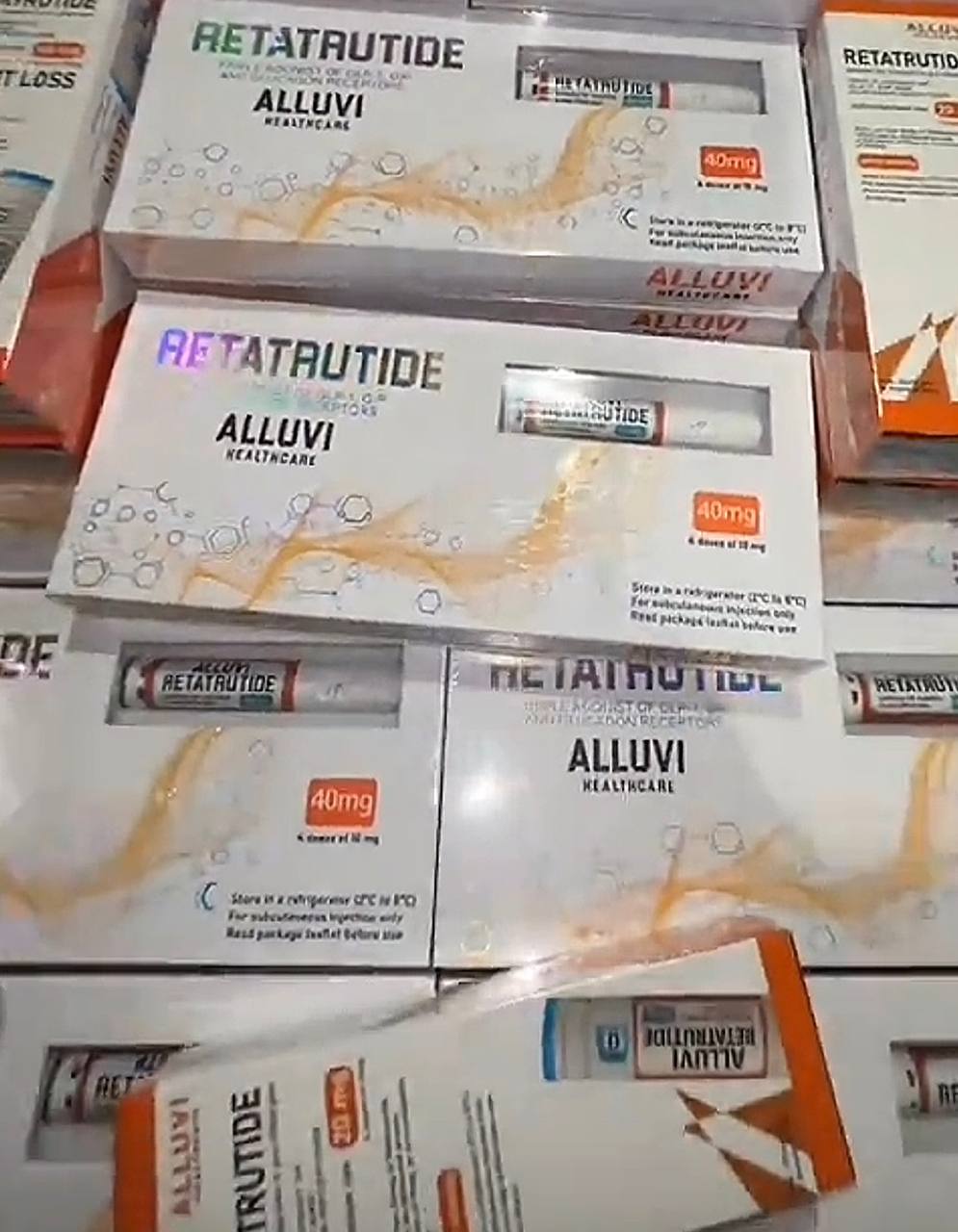
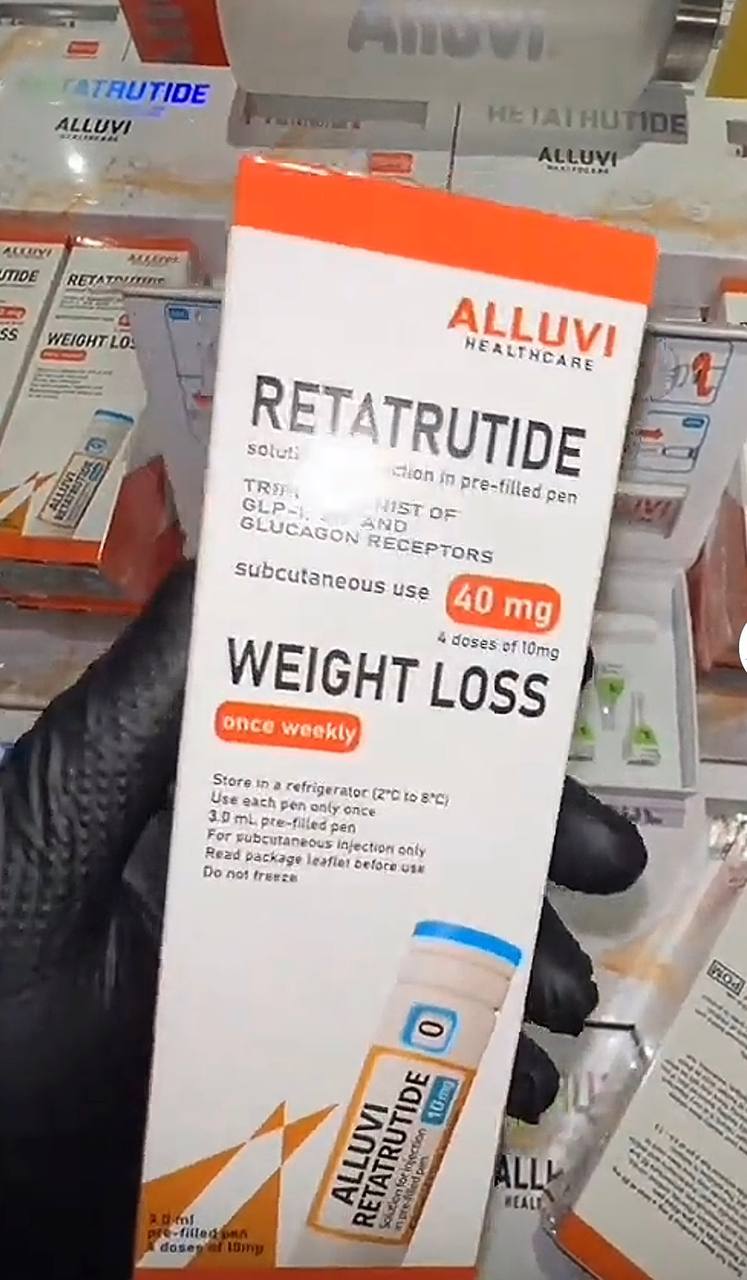


Retatrutide – Next-Generation Triple Hormone Weight Loss Therapy
Retatrutide is an investigational medication designed for obesity and metabolic disorders. Developed by Eli Lilly and Company, retatrutide is a novel triple hormone receptor agonist that targets GLP-1, GIP, and glucagon receptors simultaneously. This unique mechanism has positioned it as one of the most promising emerging treatments in medical weight management.
⚠️ Important: Retatrutide is currently in clinical trials and is not yet FDA-approved for general prescription use.
What Is Retatrutide?
Retatrutide is a once-weekly injectable peptide therapy being studied for:
-
Chronic weight management (obesity)
-
Type 2 diabetes
-
Metabolic syndrome
Unlike single-hormone GLP-1 medications, retatrutide activates three key metabolic pathways, potentially leading to greater fat loss and metabolic improvements.
How Retatrutide Works
Retatrutide combines three mechanisms:
1️⃣ GLP-1 Receptor Activation
Helps reduce appetite, slow gastric emptying, and improve blood sugar control.
2️⃣ GIP Receptor Activation
Enhances insulin response and may improve fat metabolism.
3️⃣ Glucagon Receptor Activation
Increases energy expenditure and promotes fat breakdown by stimulating metabolic rate.
This triple-action approach may result in both reduced calorie intake and increased calorie burning — a powerful combination for weight reduction.
Clinical Trial Results
In Phase 2 clinical trials, participants using retatrutide experienced substantial body weight reductions over several months, with some individuals achieving weight loss percentages that rival or exceed currently approved medications. These results have generated significant interest in the obesity treatment community.
Further Phase 3 trials are ongoing to confirm long-term safety and effectiveness.
Potential Benefits
-
Significant body fat reduction
-
Improved insulin sensitivity
-
Enhanced metabolic rate
-
Reduced appetite and food cravings
-
Possible cardiovascular and metabolic health improvements
Possible Side Effects
As with other incretin-based therapies, common side effects reported in trials include:
-
Nausea
-
Vomiting
-
Diarrhea
-
Constipation
-
Decreased appetite
Because it also activates the glucagon receptor, careful monitoring of metabolic markers is essential during clinical development.
How Retatrutide Compares to Other Medications
Retatrutide builds upon earlier GLP-1 therapies such as Wegovy and dual agonists like Zepbound, potentially offering enhanced weight-loss outcomes due to its triple-hormone mechanism.
Final Thoughts
Retatrutide represents a cutting-edge advancement in obesity treatment research. While not yet commercially available, its triple-receptor approach may redefine future weight management therapies. Patients interested in this treatment should consult healthcare professionals regarding clinical trial participation and emerging approval updates.
Related products
-
Weight Loss Supplements
Wegovy
Price range: $250.00 through $500.00 This product has multiple variants. The options may be chosen on the product page